A frontier castle, a Roman landscape, a free fair and generations of people who turned a strategic hill into a living town.
The fuller story
Six chapters. One changing landscape.
Choose a chapter, then follow Salvador Dias Arnaut’s research paths into the documents, landscapes and lives that give Penela’s history its depth.
Chapter01 / 06
Estates, roads and mosaics before the castle.
Long before the medieval walls, the Rabaçal valley formed part of the territory of Conímbriga. A major Roman road passed through the wider landscape on its way between Olisipo—Lisbon—and Bracara Augusta—Braga, connecting farms and estates here to cities, markets and administrative centres across Lusitania.
The fourth-century Villa of Rabaçal was both residence and working estate. Its octagonal portico, reception rooms, baths and mosaics expressed the status of its owners; storage and agricultural areas reveal the labour, grain, animals and estate management that supported that comfort. The Villa of São Simão, occupied from roughly the second to early fifth centuries, confirms that this was a settled Roman landscape rather than a single isolated house.
Roman occupation did not leave one neat ending. Buildings were abandoned, materials moved and parts of the Rabaçal site were later reused, including as a cemetery in the 15th and 16th centuries. Archaeology therefore reads Penela through successive uses of the same ground.
Chapter02 / 06
Why this rocky hill mattered after 1064.
When Coimbra was taken in 1064, the territory immediately to its south became a strategic frontier. Penela’s rocky height watched approaches, movement and communication through a landscape that was still politically contested. Sesnando Davides, governor of Coimbra, recorded in 1087 that he had populated Penela, providing the clearest documentary anchor for its medieval beginning.
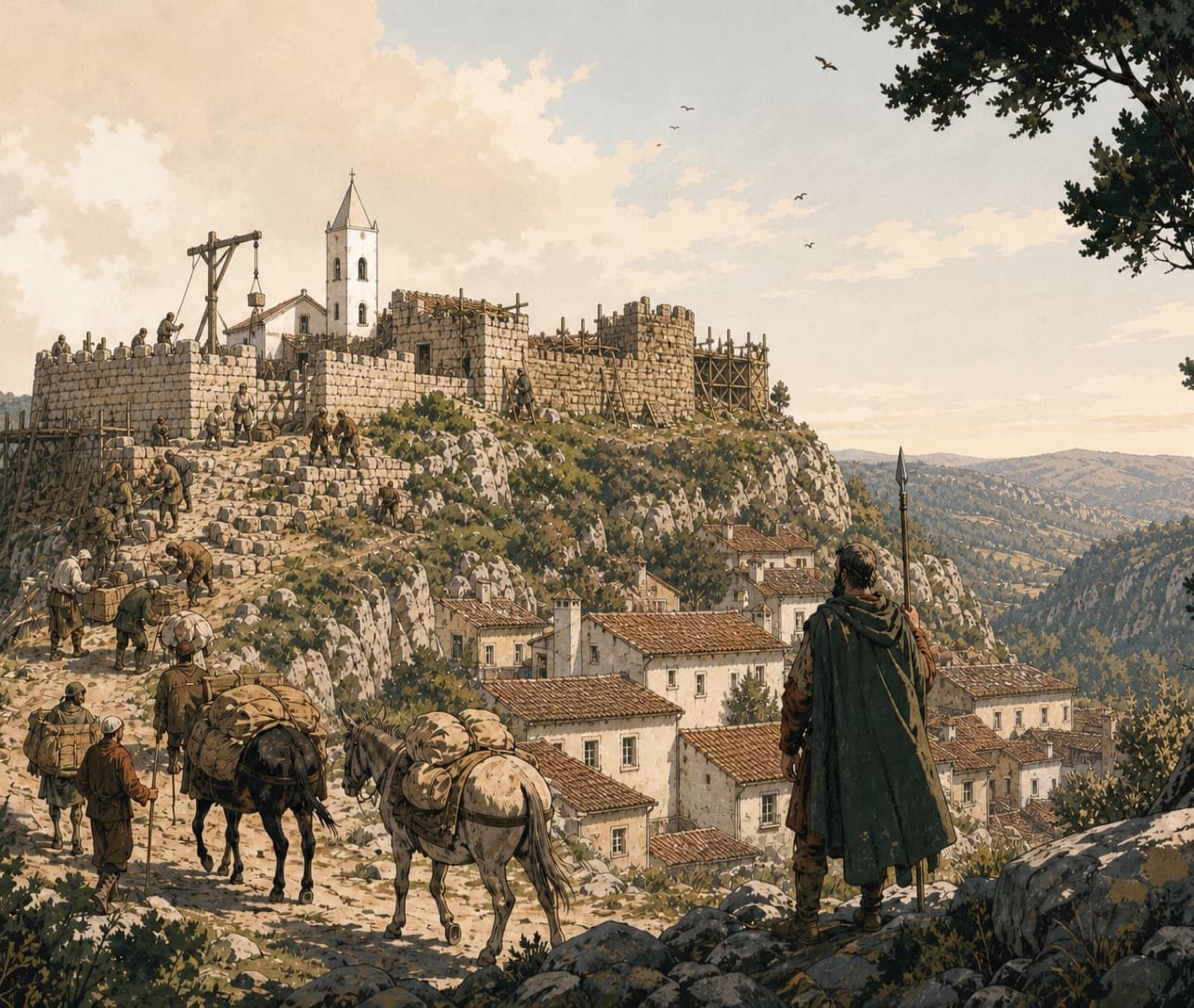
The castle was not a finished object erected in one campaign. The older castelejo was enlarged, enclosed and adapted as power, weapons and settlement changed. Penela’s 1137 charter gave the community a legal framework; the construction of Germanelo between 1142 and 1144 extended the defensive story across the Rabaçal valley.
Chapter03 / 06
Defence was only one part of castle life.
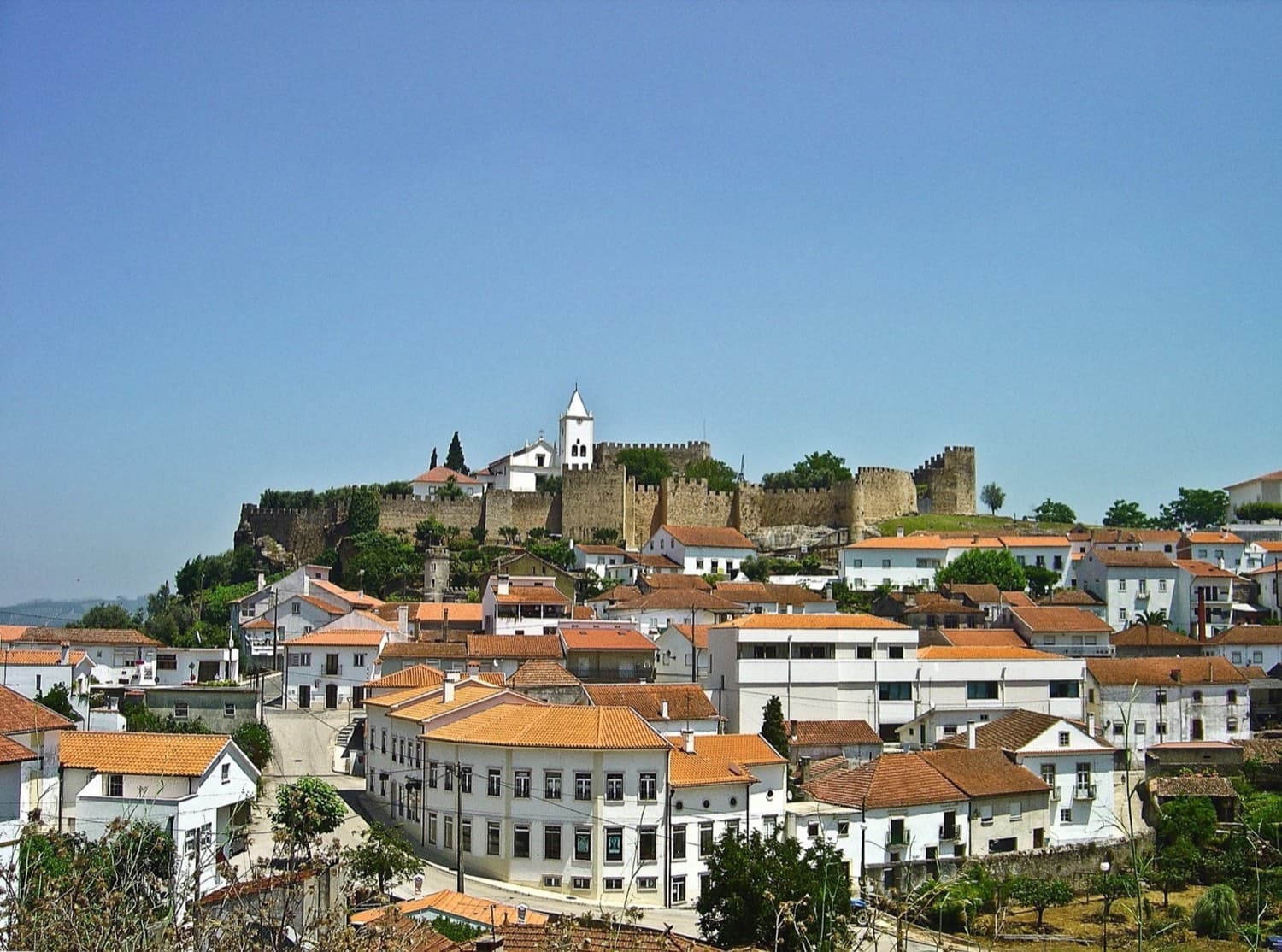
Inside the enclosure stood the Church of São Miguel, homes and service spaces, and later the palace associated with Infante D. Pedro. The walls protected people and authority, but they also contained worship, administration, storage, negotiation and ordinary routines that rarely survive as monumental architecture.
The three entrances controlled different relationships with the town and countryside. The angled Porta da Traição slowed entry; the Porta da Vila addressed the settlement; and the former Porta do Relógio carried a civic function until its towers collapsed in the 1755 earthquake. Reading the castle means looking for movement as well as masonry.
Chapter04 / 06
Courtly power met local exchange.
In the 15th century, Penela’s connection to Infante D. Pedro brought the town into the orbit of the ducal court and regional government. His patronage shaped São Miguel, and the record of his lost palace changes how the enclosure should be imagined: not as an empty military shell, but as a place where political and domestic life met.
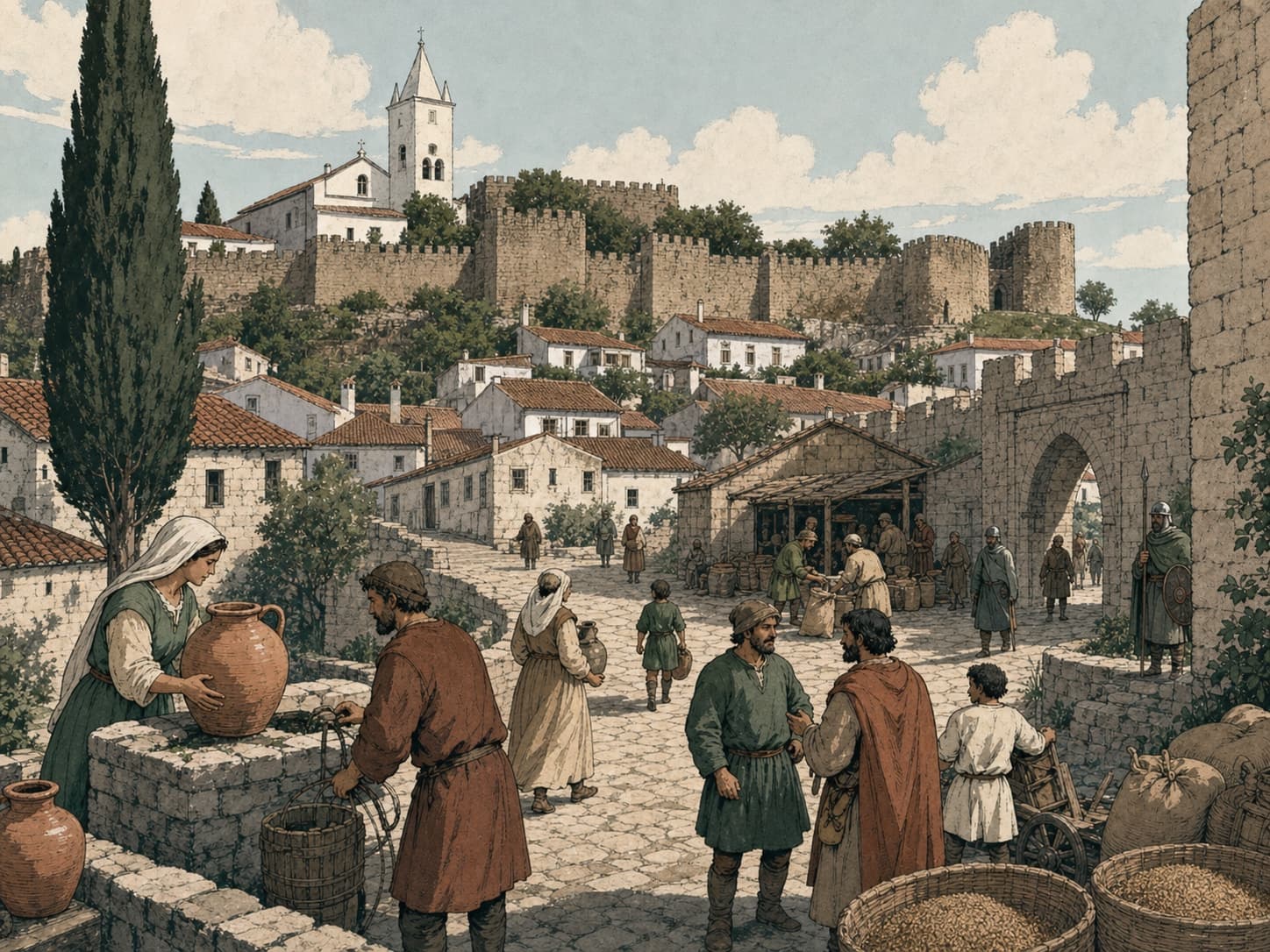
D. Duarte’s grant of a free fair associated with Saint Michael gave trade a protected civic moment. Its memory survives through the municipal holiday and the September traditions that now include the St Michael Fair, FAGRIP and the Walnut Fair—different modern events with roots in Penela’s long habit of gathering producers, residents and visitors.
Chapter05 / 06
Water, metal, paper, farming and village skill.
History here was also made away from charters and battlements. Along the Ribeira da Azenha, dozens of water-powered installations used the stream for milling and work. Around Rabaçal, limestone soils, grazing and mixed sheep-and-goat herds shaped the cheese that still carries the territory’s name.
Espinhal’s position on a north–south route supported trade and specialised activity. From the early modern period, records connect the area with iron and copper working and papermaking, while churches, manor houses and village associations preserve evidence of local wealth, craft and social organisation.
Chapter06 / 06
What survives has also been deliberately remade.
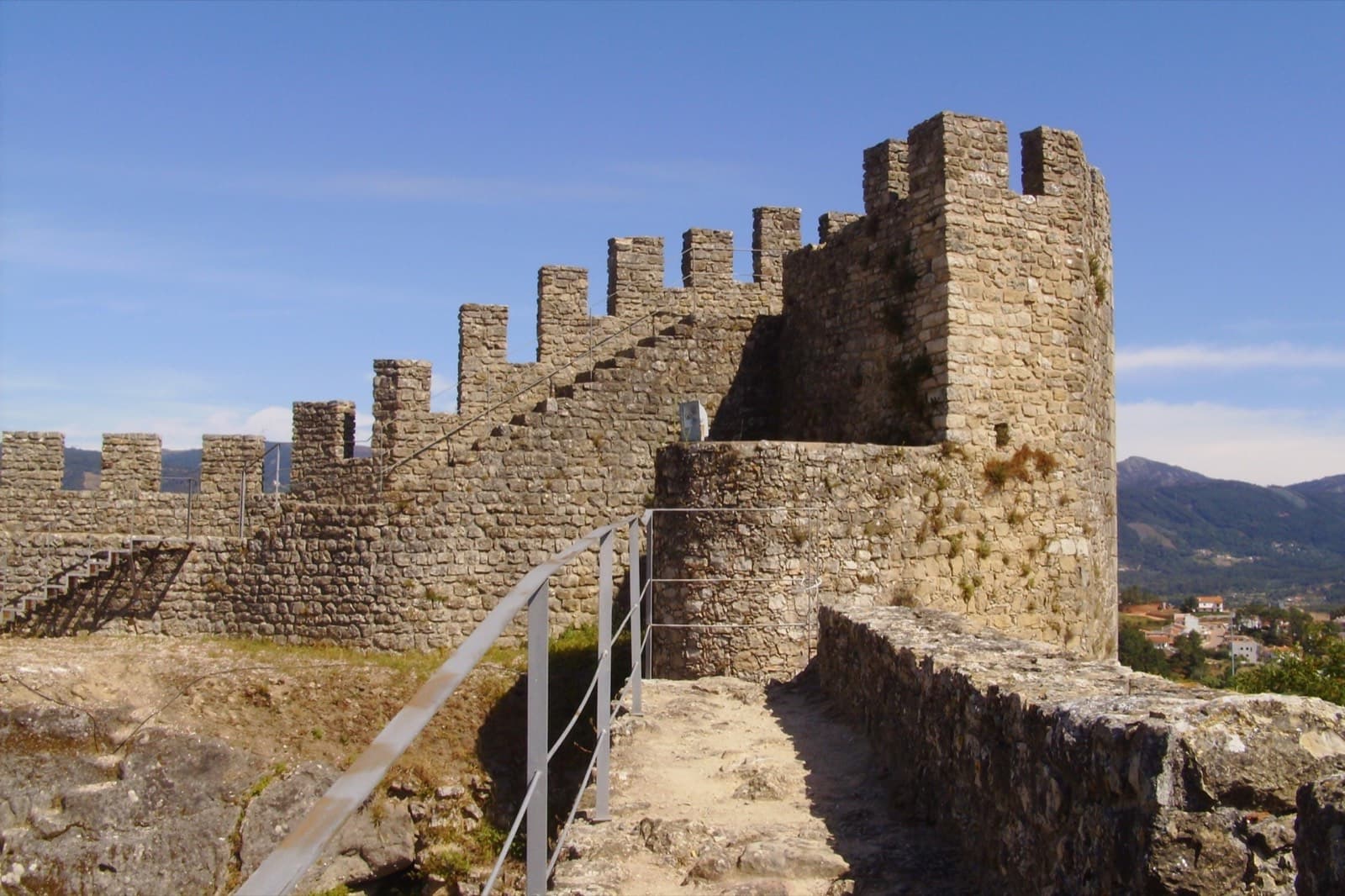
Classification as a National Monument in 1910 protected the castle’s importance, but the silhouette visitors recognise today was also shaped by major 20th-century restoration. Reconstructed battlements and consolidated walls help people enter the site, while requiring honesty about which portions are medieval fabric and which reflect later conservation choices.
Local research, museums, bands, oral traditions and festivals keep adding interpretation. The Medieval Fair, FAGRIP and village celebrations are not substitutes for historical evidence; they are the contemporary ways a community chooses to gather around its inherited places and stories.
From the Arnaut archive
Penela, read more deeply.
Salvador Dias Arnaut treated local history as serious historical work. Choose a research path to see how documents, landscape and lived experience widened Penela’s story.
Research path· 1931–1937
Research became a public case for preservation.
As a young student, Arnaut wrote publicly about Penela’s neglected heritage, including appeals to restore its castle and recognise a town he believed was being overlooked. By the 800th anniversary of Penela’s medieval charter in 1937, he was already presenting local history as a way to understand the present and act responsibly towards the future.
Ladeia e Ladera used medieval documents, language and geography to investigate the wider territory around Penela. The surviving archival record even preserves Arnaut asking other scholars about the meaning of the names. It is a useful example of local history testing difficult evidence instead of turning an attractive theory into certainty.
Landscape, work and food entered the historical record.
In Região do Rabaçal: A Terra e o Homem, Arnaut treated the region as more than a backdrop for monuments. Land, settlement, rural production and community life belonged to the same story. His related writing about Rabaçal cheese showed how food can carry evidence of geography, labour and local identity across generations.
Penela na Obra de Dois Escritores examined the town through Fernão Lopes and Eloy de Sá Sotto Maior. That approach widens the evidence beyond walls and official records: literature can show how a place was described, remembered and given meaning, while still requiring the same careful distinction between testimony, interpretation and fact.
Two medieval subjects tied national politics directly to place.
Arnaut’s work on Germanelo Castle and Infante D. Pedro, Lord of Penela placed the municipality inside larger questions of frontier defence, lordship and royal government. He also acquired the Germanelo ruins and began preservation work there, joining documentary study to direct responsibility for a vulnerable monument.
A private library became public research infrastructure.
Arnaut assembled about 16,000 volumes across history, archaeology, art, agriculture, geography, medicine, literature and many other fields, with an exceptional collection of Portuguese local monographs. Since 2010, the research centre bearing his name has brought that library together with municipal publications so scholars and the wider community can keep asking new questions about Penela.
The walls are not one frozen moment. Gates, openings, masonry and missing buildings reveal how the fortress changed with warfare, government and daily life.
01
The castelejo
The small, older fortified core later became the keep. It preserves the relationship between the earliest strongpoint and the larger enclosure built around it.
02
Three entrances
The enclosure had the Porta da Vila, Porta da Traição and Porta do Relógio. The last survives as a breach after its towers fell in the 1755 earthquake.
03
The angled gate
The Porta da Traição—also called Porta dos Campos—uses an indirect approach. Anyone entering had to turn, slowing an attack and exposing its flank.
04
Arrows and gunpowder
Narrow arrow slits belong to one defensive world; wider gun openings show the castle adapting to firearms and new siege technology.
05
São Miguel
The church is already named in the 1137 charter. Its later Gothic, Renaissance and Baroque layers make the castle a religious place as well as a military one.
06
The absent palace
Infante D. Pedro maintained a palace inside the castle. It has disappeared, but the record changes how the enclosure should be imagined: also residential and political.
Beyond the castle walls
One municipality. Many histories.
Penela’s past is spread across valleys, villages, industrial traces, churches and two different medieval fortresses.
LATE ROMAN WORLD
Rabaçal and São Simão
The fourth-century Roman Villa of Rabaçal preserves a residence, agricultural area, baths and elaborate mosaics arranged around an octagonal portico. At São Simão, occupation from the second to early fifth centuries and more than ten mosaic panels reveal another substantial estate.
Built between 1142 and 1144, its compact 107-metre enclosure looks across the Rabaçal valley and the Sicó limestone landscape. The northern wall seen today reflects archaeological study and 20th-century reconstruction.
Espinhal’s position on an important north–south route shaped its development. From the 16th century, iron and copper working and papermaking became important activities; its church and historic houses preserve the mark of prosperous local families.
Stories such as Pé Nela and the giant blacksmith brothers of Germanelo belong to oral tradition, not documentary fact. Philharmonic bands, festivals, Ferraria de São João and the limestone villages keep a different kind of historical record alive.
Some were born here; others changed Penela through government, art or patronage. Together they connect local history to the larger Portuguese story.
01
Frontier governor
Sesnando Davides
A central figure in the Christian reorganisation of the Coimbra region after 1064. His 1087 record of populating Penela anchors the castle’s documented medieval story.
02
Portugal’s first king
Afonso Henriques
Granted Penela its 1137 foral and helped establish the municipality’s legal place in the emerging Portuguese kingdom.
03
Duke of Coimbra and regent
Infante D. Pedro
Held a palace at Penela and left a strong mark on the castle and Church of São Miguel. His connection made the town part of 15th-century court and regional government.
04
King and fair patron
D. Duarte
Granted the free fair associated with São Miguel. Its civic memory still reaches the present through Penela’s September fair and municipal holiday.
05
King and reformer
D. Manuel I
Issued Penela’s new charter in 1514, part of a kingdom-wide reform that reset local rights, revenues and administration.
06
Renaissance sculptor
João de Ruão
The influential Coimbra-based sculptor is associated with the stone Virgin and Child in São Miguel, made around 1530–1540.
07
Historian and professor
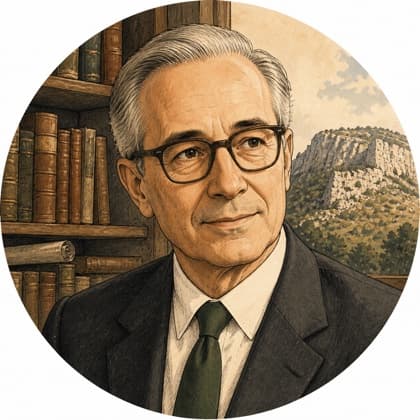
Salvador Dias Arnaut
Born in Penela in 1913, he became a doctor, university professor and rigorous historian of local and regional life. Penela’s historical research centre carries his name.
08
Lawyer, writer and public servant
António Arnaut
Born in Cumeeira in 1936, he was a founder of the Socialist Party and is widely known as the father of Portugal’s National Health Service. Penela’s municipal library bears his name.
How this page was researched
Primary records, plain language.
This account was written for this guide from official heritage records and municipal cultural sources. Where historians disagree, the uncertainty is stated rather than turned into a neat story.