The Arnaut archive Story 03
1955–1961Rabaçal: land and people
Landscape, work and food entered the historical record.
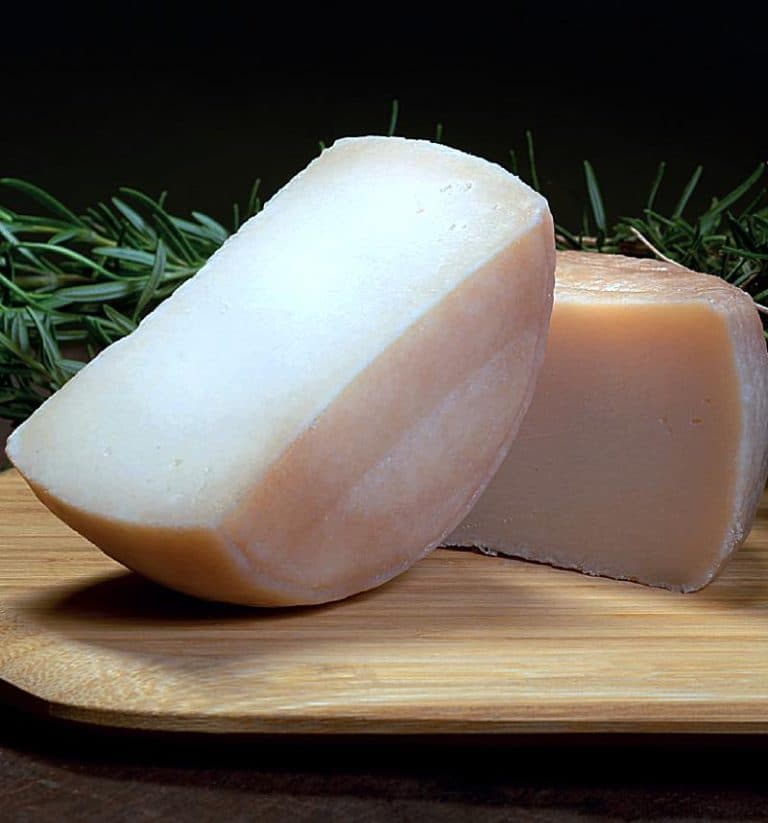
In Região do Rabaçal: A Terra e o Homem, Arnaut treated the region as more than a backdrop for monuments. Land, settlement, rural production and community life belonged to the same story. His related writing about Rabaçal cheese showed how food can carry evidence of geography, labour and local identity across generations.
The landscape was part of the archive
Arnaut read Rabaçal through the relationship between terrain and people. Limestone soils, routes, settlements and agricultural choices helped explain why communities developed as they did. That approach moved local history beyond a sequence of rulers and monuments and towards the everyday organisation of a lived territory.
Food carried geography and labour
His interest in Rabaçal cheese was not a decorative aside. Herding, milk, seasonality, technique and exchange connect the product to the land and to generations of work. Arnaut’s wider writing on food helped establish him as an early Portuguese scholar of food history, showing that a meal can be evidence when it is read with the same care as a document.
A little more context
Did you know?
- The title A Terra e o Homem places land and human life on equal terms.
- Arnaut later wrote specifically about the history of Rabaçal cheese and became a pioneer of Portuguese food history.
Follow the evidence.
This is an original Discover Penela article based on public archival, university and municipal records. Open the sources to continue the research.