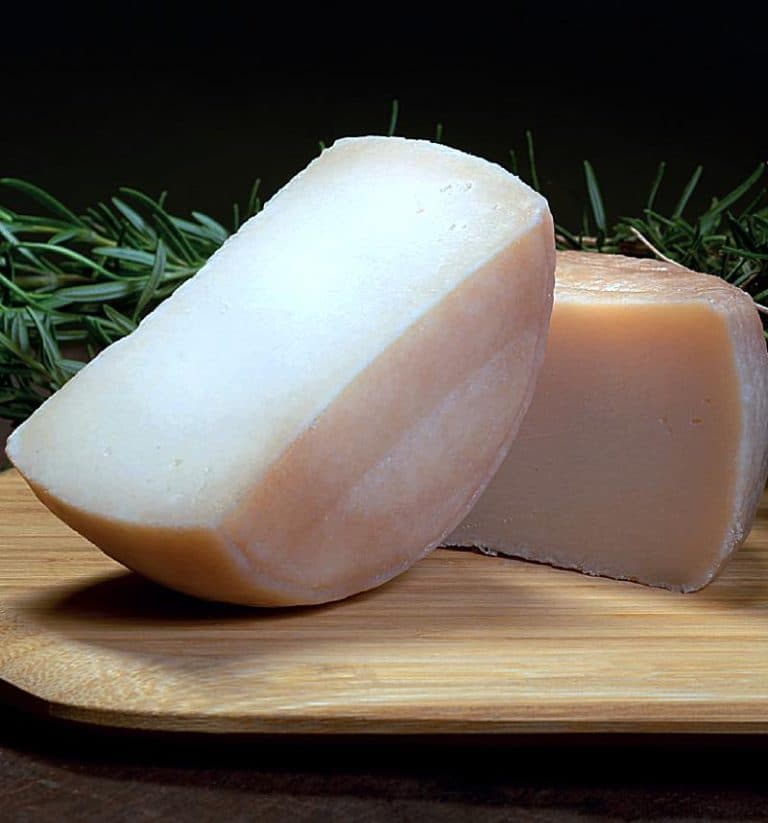
The name Rabaçal arrives at the table before many visitors know it is a real place. In Penela, the famous cheese is not an isolated souvenir. It is a compact expression of the dry limestone landscape, local herds and the routes that have crossed this valley for centuries.
Start with the ground
The Terras de Sicó are defined by limestone. Water disappears, soils can be thin and the vegetation has learned to work with scarcity. Goat and sheep farming belongs naturally to this terrain, and Rabaçal cheese is traditionally connected to milk from those herds.
Taste it locally and the flavour has context: not simply sharp or creamy, but part of a landscape where agriculture, settlement and movement have always negotiated with the geology.
A Roman neighbour
The Roman Villa of Rabaçal adds an unexpected historical frame. Its residence, baths and working areas show that the valley supported organised rural production in the 4th century. The museum and archaeological site make a natural pairing with lunch: one explains the long human use of the valley; the other lets you taste a living continuation of it.
Taste the landscape
Begin simply. Ask for Rabaçal cheese as part of a local meal, then look for the other elements around it: bread, olive oil, regional dishes and wine. Producers and restaurant listings can change, so the official Visit Penela directory is the most responsible place to check before travelling.
If there is a workshop, market or cheese-focused event during your visit, make time for it. Penela’s strongest tourism offer is not observation from a distance; it is the chance to understand how things are made.