Penela works best when you stop treating it as a single pin on the map. The castle town is only the first chapter. Give the municipality two days and the landscape changes under your feet: limestone around Rabaçal, wooded slopes above Espinhal, then schist and cork oak at Ferraria de São João.
Day one: start above the rooftops
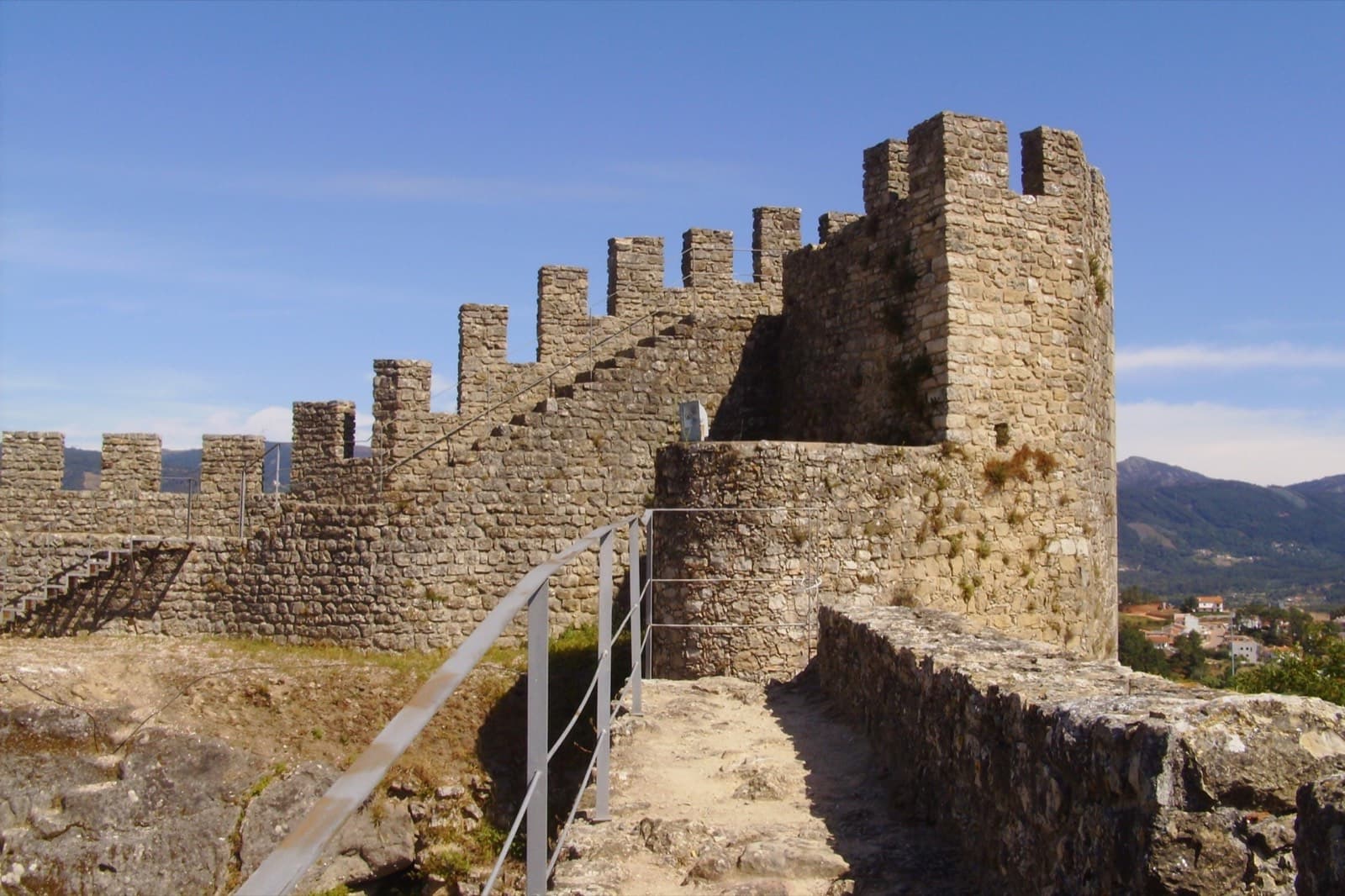
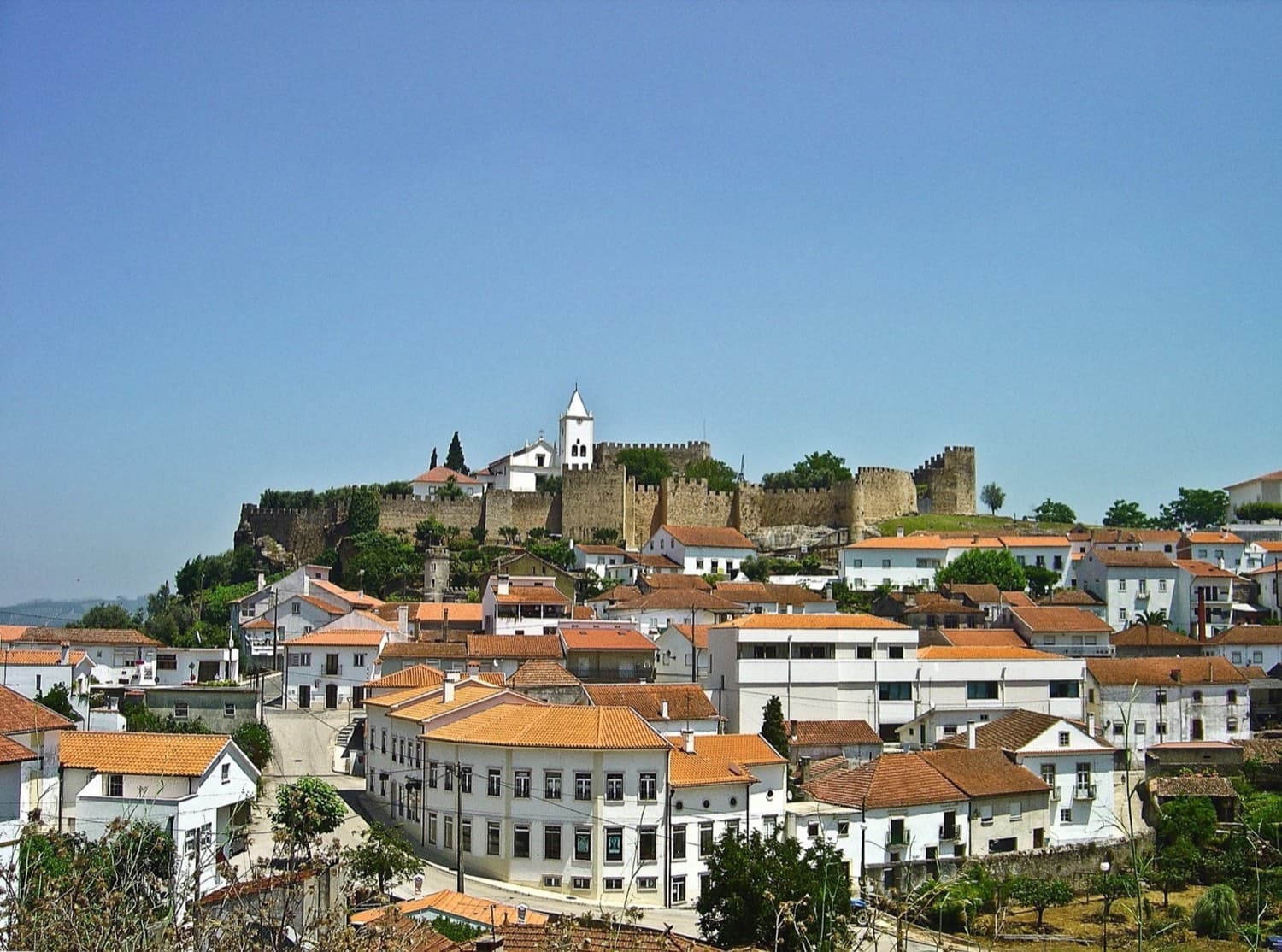
Begin at Penela Castle before the middle of the day. The walls make the geography legible: the town gathered below, wooded ridges beyond and a territory that has always been connected to routes through Central Portugal. Inside the enclosure, Saint Michael’s Church adds a quieter layer to the visit.
Walk down through the historic centre rather than driving straight away. Penela is compact enough for a slow circuit and the change of scale—from defensive walls to small streets—is the point.
Lunch should not be a gap in the plan
Leave time for regional food. Rabaçal cheese is the obvious reference, but it belongs in a wider table of local meat dishes, bread, olive oil and wine from the Terras de Sicó. Use the official tourism directory for current restaurant details; opening patterns can vary.
Follow the valley back to Rome
Continue to Rabaçal for the Espaço-Museu and the Villa Romana. The archaeological site interprets a large 4th-century rural residence arranged around an unusual octagonal structure, with baths and mosaic floors. Site visits require advance booking and accompaniment, so this is the one part of the weekend to organise before you arrive.
One small valley holds a Roman residence, a living village and the product most people associate with Penela.
Day two: choose water, then stone
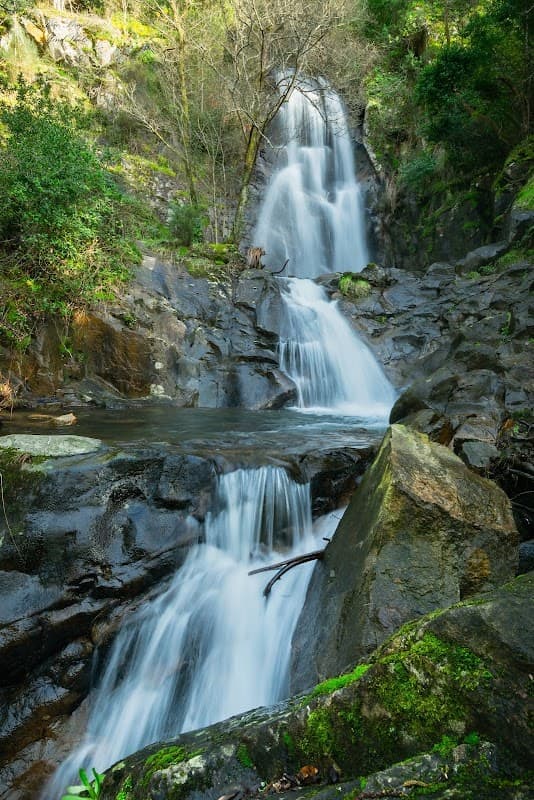
Head towards Espinhal early. The walk to Pedra da Ferida Waterfall finishes on foot through forest. It is short enough to fit into a morning, but the ground and seasonal conditions deserve respect: take proper footwear, water and check local guidance in periods of high fire risk.
In warm weather, Louçainha offers a gentler second stop with natural pools, picnic space and accessible facilities. If swimming is not the plan, continue instead towards viewpoints in the Serra do Espinhal.
End in Ferraria de São João
The schist village makes a strong last chapter because it does not repeat anything from the previous day. Its stone lanes, community projects, cork-oak woodland and cycling routes shift the weekend from monuments towards lived rural culture. When workshops are available, bread, cheese or village activities can turn a visit into something more participatory.
Do not force one more stop. Penela’s advantage is precisely that the route can breathe.