People of Penela · Profile 03
A life’s work in RabaçalMiguel Pessoa
The archaeologist whose long relationship with Rabaçal helped turn buried structures into a place the public can understand.
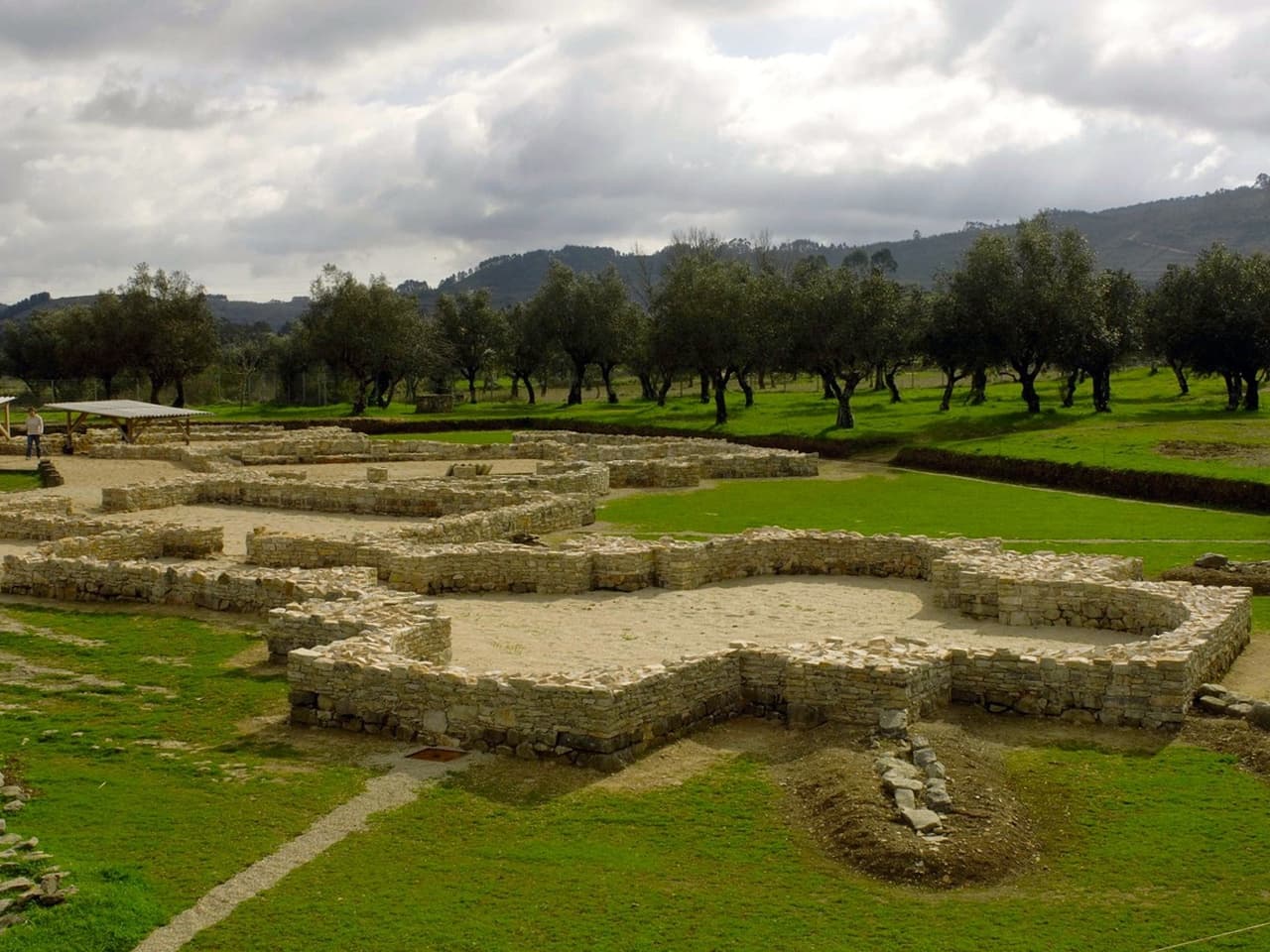
The Roman Villa of Rabaçal is not only an ancient site. It is also the result of modern decades spent recognising, excavating, recording, conserving and explaining what survived. Archaeologist and museologist Miguel Pessoa has been one of the defining figures in that work, building a connection with the Rabaçal valley that has lasted across generations of research and volunteers.
Recognising what the ground held
Roman material had been reported around Rabaçal before Miguel Pessoa arrived, but the decisive modern phase began in 1979, when he recognised the archaeological importance of the site. Systematic excavation followed from 1984, initially with archaeologist Maria Salete da Ponte.
The work revealed a major late Roman rural complex: residential rooms arranged around an unusual octagonal peristyle, baths, productive areas and extensive mosaic floors. Each campaign added evidence while also creating new responsibilities for conservation and interpretation.
More than an excavation
Pessoa’s connection to Rabaçal extended beyond uncovering walls. He coordinated archaeological and museum work, published research and guides, and repeatedly argued for a long-term safeguarding plan. The public museum gives the objects and mosaics a readable setting; the archaeological site returns them to landscape and scale.
That bridge between fieldwork and public understanding matters. Without it, visitors see foundations. With it, they can begin to imagine a fourth-century rural estate, its architecture, productive life, decorative ambition and place within the territory of Conímbriga.
Why a connected voice belongs here
People of Penela should include those born here and those whose sustained work has changed how the territory understands itself. Miguel Pessoa’s story belongs to the second group. His long commitment to Rabaçal shows that belonging can also be built through attention, knowledge and care.
Read the public record.
This profile is an editorial synthesis, not a reproduced municipal page. These primary and institutional sources support the dates, roles and local connections above.