People of Penela · Profile 01
Born in CumeeiraAntónio Arnaut
A son of Cumeeira whose experience of rural inequality helped shape Portugal’s universal public health service.
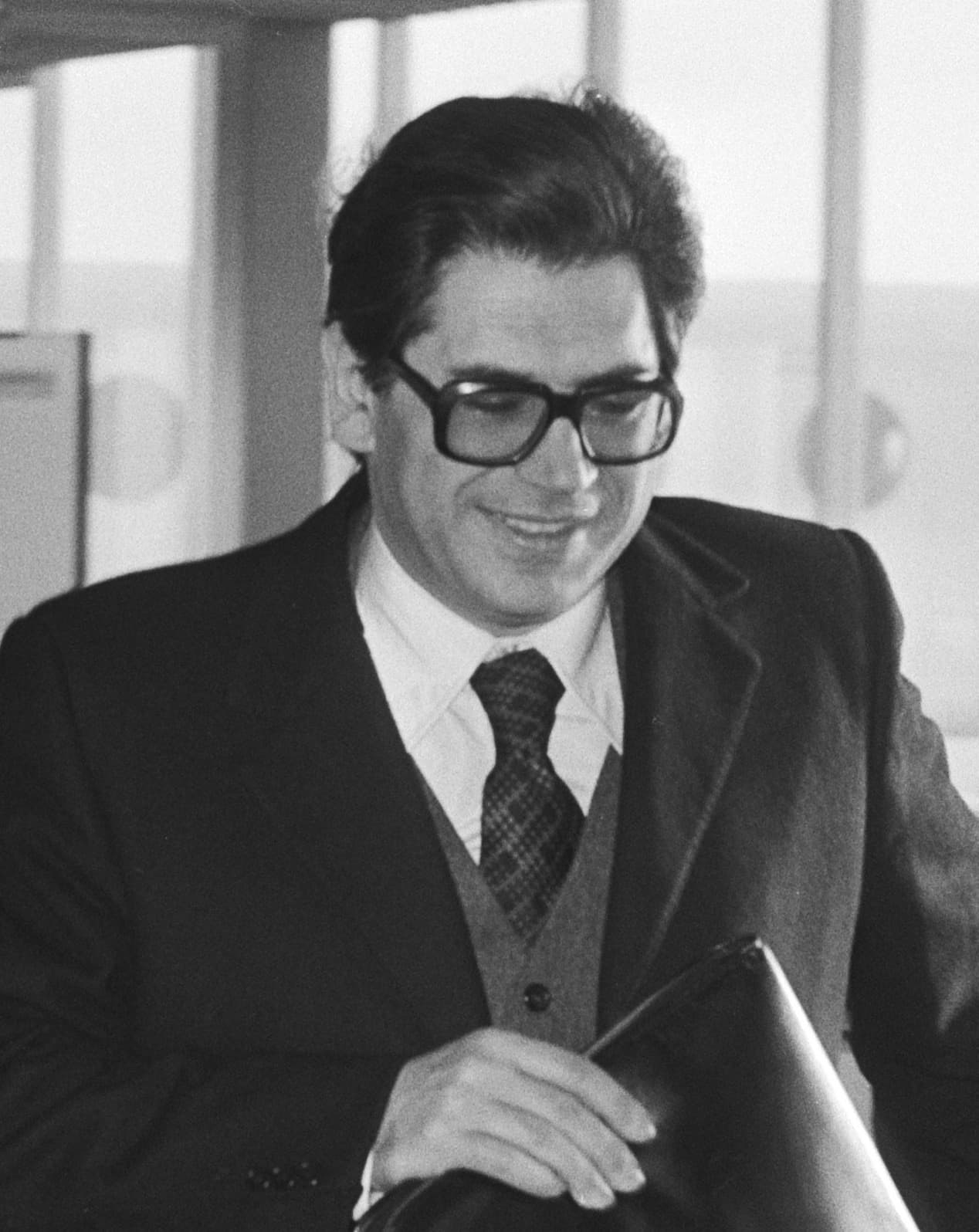
António Arnaut carried the memory of Cumeeira into national public life. A lawyer, writer, opponent of the dictatorship and co-founder of the Socialist Party, he became most closely associated with the creation of Portugal’s National Health Service. His story begins not in a ministry, but in a Penela village where access to medical care was far from equal.
A public life rooted in Cumeeira
António Duarte Arnaut was born in Cumeeira on 28 January 1936. He studied Law at the University of Coimbra, graduating in 1959, and made advocacy the most continuous thread of his professional life. Before Portugal became a democracy, he took part in opposition activity and supported Humberto Delgado’s presidential candidacy.
Accounts of his life repeatedly return to the village of his childhood. Arnaut himself connected the poverty and lack of medical protection he saw there with his later commitment to social justice. That local memory gives his national work a particularly Penela character: policy began with people he knew and inequalities he had witnessed.
Building a health service for everyone
Arnaut was one of the founders of the Socialist Party in 1973 and later served as a member of the Constituent Assembly, a parliamentarian and Minister of Social Affairs. In government, he became the central political figure behind the legislation that established the Serviço Nacional de Saúde in 1979.
The principle was direct and transformative: access to healthcare should not depend on a person’s income. It is why he is widely remembered as the father of the SNS. He continued to defend a strong public health service long after leaving government, treating it as part of democracy rather than a completed historical project.
The lawyer and the writer
Politics never exhausted Arnaut’s interests. He worked as a lawyer, held roles within the Portuguese Bar and wrote poetry, fiction and essays. The University of Coimbra awarded him an honorary doctorate in 2014 in recognition of his civic and social contribution.
Penela marked his eightieth birthday by giving his name to the municipal library. The choice is fitting: it remembers both the public figure and the reader and writer, while placing his legacy in a civic space open to new generations.
Why his story belongs here
António Arnaut’s importance reaches far beyond the municipality, but the origin of his convictions belongs to Cumeeira. His life shows how a small place can shape a national institution—and how remembering people well means connecting public achievement to the landscape and community that formed it.
Read the public record.
This profile is an editorial synthesis, not a reproduced municipal page. These primary and institutional sources support the dates, roles and local connections above.